Drinking Water Filtered Down to the Molecule
Reverse Osmosis Filtration in Tyler for homes and businesses where standard filters leave contaminants behind
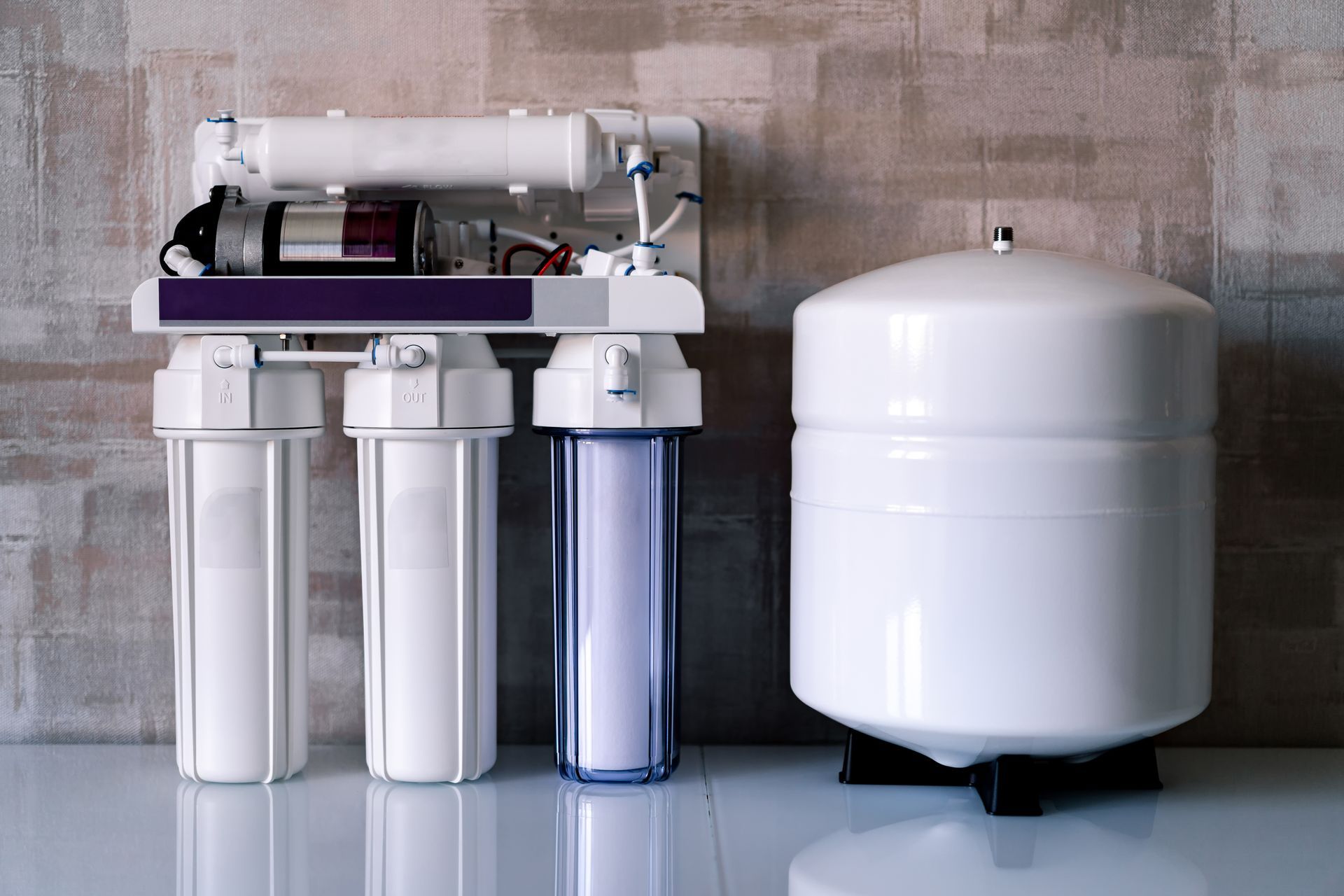
Aqua Solutions Of Tyler installs reverse osmosis systems that use a semi-permeable membrane to remove dissolved contaminants standard carbon filters cannot capture, including heavy metals, salts, bacteria, and chemical compounds that affect taste and safety. These systems work by forcing water through a membrane with microscopic pores, trapping molecules larger than water itself while allowing purified water to pass through to a storage tank. Properties connected to municipal systems in Tyler or private wells throughout East Texas benefit when water testing reveals elevated total dissolved solids, chlorine byproducts, or mineral concentrations that affect drinking water quality.
The filtration process involves multiple stages: pre-filtration removes sediment and chlorine that could damage the membrane, the RO membrane separates contaminants at the molecular level, and post-filtration polishes the water before it reaches your faucet. Under-sink systems serve a dedicated drinking water tap, while whole-home configurations treat water throughout the property, with the choice depending on whether you need purified water at one point of use or for all household applications including cooking and ice production.
Request water testing to determine which contaminants are present and whether reverse osmosis addresses your specific water chemistry concerns.
What Reverse Osmosis Removes That Other Filters Miss
The semi-permeable membrane rejects contaminants based on molecular size, blocking dissolved minerals like sodium and calcium, heavy metals including lead and arsenic, nitrates from agricultural runoff, fluoride, chlorine, and microorganisms that pass through standard sediment or carbon filtration. Pre-filtration protects the membrane from fouling, while post-filtration removes any residual taste from the storage tank, with each stage addressing a different category of impurity.
After installation, you notice water from the dedicated faucet tastes noticeably cleaner without the mineral flavor or chemical odor present in untreated tap water, ice cubes freeze clearer without cloudiness from trapped air and minerals, and beverages brewed with filtered water reflect their intended flavor profiles rather than being masked by background tastes. The storage tank maintains pressure so purified water is available on demand even though the membrane filters slowly, and a drain line carries away rejected contaminants so they never enter your glass.
System capacity and membrane type are selected based on daily water usage and the contaminant load revealed through testing, with filter replacement intervals ranging from six months for pre- and post-filters to two to three years for the RO membrane itself, depending on incoming water quality and household consumption patterns. Properties with high sediment levels or chlorine concentrations may require more frequent pre-filter changes to maintain membrane performance and prevent premature degradation.
Questions About Filtration System Selection and Maintenance
Customers in Tyler and Longview often ask how reverse osmosis compares to other treatment methods and what ongoing care the system requires.
What contaminants does reverse osmosis remove that carbon filters do not?
The RO membrane blocks dissolved minerals, salts, heavy metals, nitrates, fluoride, and many chemicals that pass through carbon media because it separates contaminants by molecular size rather than relying on adsorption, making it effective for total dissolved solids reduction and removing substances carbon cannot capture.
How much water does the system waste during filtration?
Reverse osmosis sends rejected contaminants and a portion of incoming water to the drain, with ratios typically ranging from three to four gallons wasted per gallon produced depending on membrane efficiency, incoming water pressure, and temperature, though this rejected water can sometimes be repurposed for irrigation or non-potable uses.
When should I replace the filters and membrane?
Pre-filters and post-filters require replacement every six to twelve months depending on sediment and chlorine levels in Tyler-area water supplies, while the RO membrane typically lasts two to three years before declining rejection rates indicate replacement is needed to maintain purification performance.
What happens if I do not change filters on schedule?
Clogged pre-filters reduce water pressure and flow rate to the faucet, exhausted carbon allows chlorine to reach and damage the membrane, and a fouled RO membrane allows contaminants to pass through into your drinking water while also slowing production and increasing water waste.
Does reverse osmosis remove beneficial minerals along with contaminants?
The membrane removes both harmful and beneficial dissolved minerals, producing very pure water that some customers remineralize with a post-filter cartridge if they prefer water with a mineral content, though most appreciate the clean taste and obtain dietary minerals from food rather than drinking water.
Aqua Solutions Of Tyler sizes every reverse osmosis installation based on your property's water test results and daily consumption needs rather than installing generic systems. Schedule testing to identify which contaminants require removal and determine whether under-sink or whole-home filtration matches your water quality goals.