Keeping Treatment Systems Operating as Designed
Ongoing Maintenance in Tyler for water filtration, reverse osmosis, softening, and purification equipment that requires routine service to maintain performance
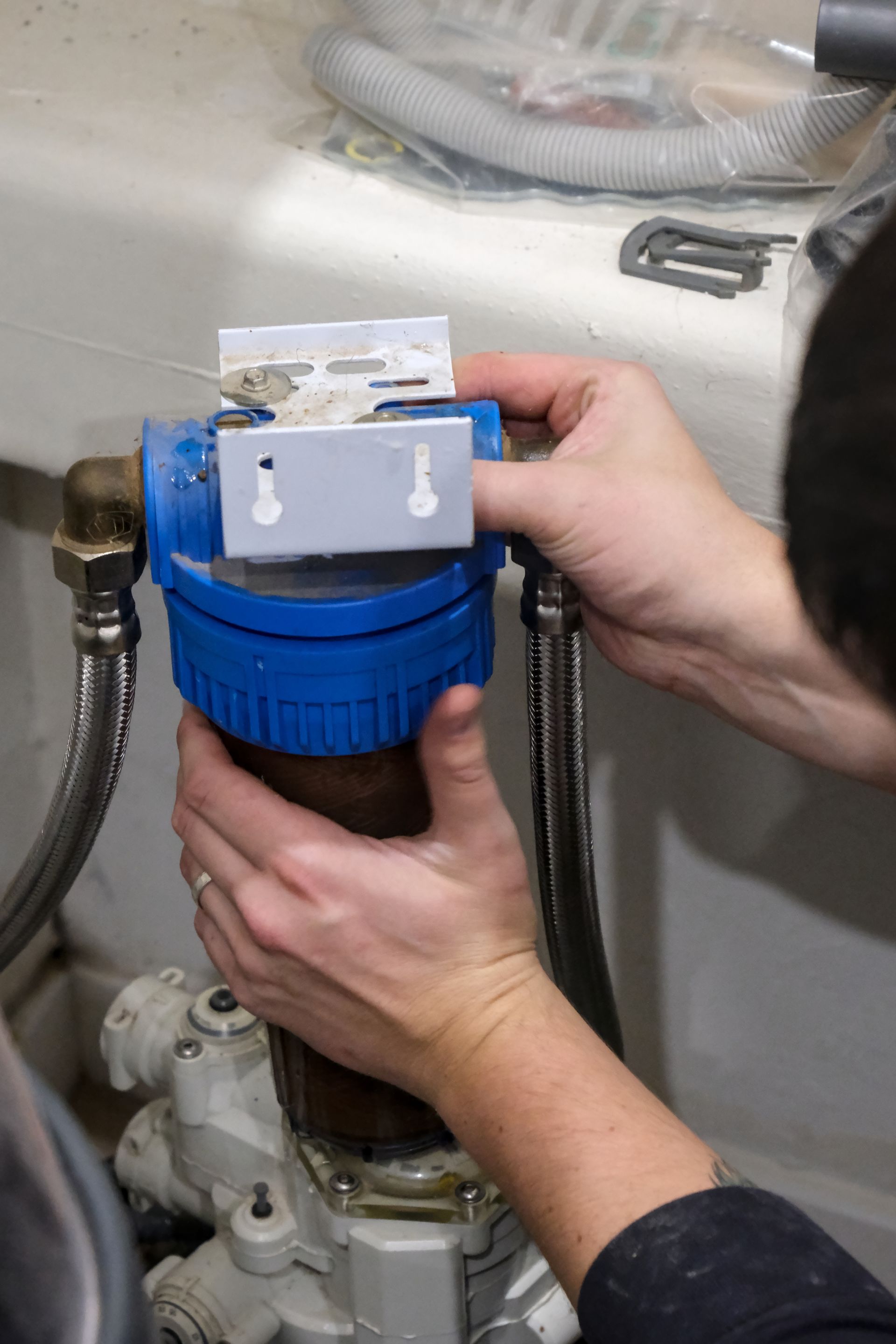
Neglected filters clog with accumulated sediment and reduce water pressure throughout the property, exhausted carbon media stops adsorbing chlorine and allows it to damage sensitive reverse osmosis membranes, and unmaintained water softeners lose ion exchange capacity as resin becomes fouled with iron or sediment. Routine maintenance performed by Aqua Solutions Of Tyler includes filter replacement on schedules determined by water quality and usage volume, membrane inspection and replacement when rejection rates decline, system cleaning to remove biological growth or mineral deposits, and performance testing to verify equipment continues removing the contaminants it was installed to address. Properties in Tyler and East Texas with private wells often encounter higher sediment loads than municipal water users, requiring more frequent filter changes to prevent premature equipment wear.
Scheduled service visits involve inspecting pressure gauges to identify clogged filters or failing components, testing water before and after treatment to confirm contaminant removal remains effective, checking control valves for proper cycling, examining tanks and housings for leaks or corrosion, and replacing consumable components such as filters, membranes, UV bulbs, or resin beds based on condition and throughput volume. Salt levels in water softener brine tanks are checked and refilled, sanitizer is applied to reverse osmosis storage tanks if bacterial growth is detected, and system settings are adjusted if water usage patterns have changed since installation.
Request a maintenance evaluation to assess your current equipment condition and establish a service schedule based on your system type and water treatment needs.
Why Regular Maintenance Prevents Larger Problems
Filters clogged beyond capacity allow sediment to bypass and flow downstream into appliances, control valves that are not serviced eventually stick or fail to regenerate properly, and reverse osmosis membranes fouled with chlorine or scale lose rejection capability and allow contaminants to pass through into drinking water. Maintenance catches these issues while they are still minor adjustments rather than waiting until complete equipment failure interrupts water treatment and requires emergency service.
After a maintenance visit, water pressure returns to normal if filters were restricting flow, treated water tastes and performs as it did when the system was new because filtration media and membranes are replaced before exhaustion, and equipment operates efficiently without the energy waste caused by clogged components forcing pumps and valves to work harder. System lifespan extends significantly when wear items are replaced on schedule rather than allowing failed components to damage other parts of the system.
Maintenance intervals depend on equipment type, water quality, and usage volume, with sediment filters in high-particulate well water requiring replacement every three to six months, carbon filters lasting six to twelve months in typical municipal water, reverse osmosis membranes needing inspection annually and replacement every two to three years, and water softener resin beds functioning for a decade or more if protected from iron fouling and chlorine damage. UV purification systems require annual bulb replacement because intensity declines over time even though the bulb still illuminates, and quartz sleeves that protect the bulb must be cleaned to remove mineral film that blocks UV transmission.
Service Questions Customers Ask Frequently
Homeowners and business operators want to understand what maintenance involves, how often service is needed, and what happens if equipment is not maintained properly.
How do I know when filters need replacement?
Reduced water pressure at fixtures, changes in water taste or odor, visible sediment bypassing the filter, or reaching the manufacturer's recommended service interval based on gallons treated all indicate filters should be replaced, with exact timing depending on your water's contamination level and household usage.
What happens during a maintenance visit?
The technician inspects all system components, tests pressure and flow rates, checks valve operation, measures water quality before and after treatment, replaces filters and other consumables based on condition, cleans tanks and housings, adjusts settings if needed, and identifies any developing issues that require attention before they cause failures.
Why does membrane performance decline over time?
Reverse osmosis membranes gradually accumulate scale, biological growth, or fouling from contaminants that were not removed by pre-filtration, reducing the membrane's ability to reject dissolved solids and slowing production rates until replacement restores the system to original specifications.
When should I schedule maintenance visits?
Systems treating high-sediment well water or supporting large households may require quarterly service, while equipment treating cleaner municipal water with moderate usage often needs attention twice annually, though exact schedules depend on your water test results, equipment type, and consumption patterns specific to your property.
What are the consequences of skipping maintenance?
Clogged filters eventually rupture or allow sediment bypass, exhausted carbon permits chlorine to damage membranes, fouled softener resin loses capacity and allows hard water through, and unmaintained UV systems fail to disinfect even though they appear operational, all of which result in contaminated water and expensive equipment replacements.
Aqua Solutions Of Tyler provides maintenance schedules tailored to your specific equipment, water quality, and usage patterns rather than using generic service intervals. Contact us to establish a preventative maintenance plan that protects your water treatment investment and ensures consistent performance.